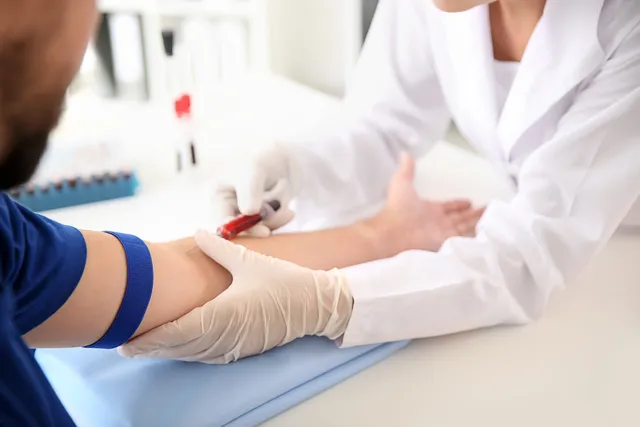
Complete blood count
The most requested blood test: it counts your blood cells and gives a first impression of your general health.
Blood sample · Fasting: No

Ten common tests clearly explained: what they measure, how to prepare and what the result tells you.
The most requested blood test: it counts your blood cells and gives a first impression of your general health.
Blood sample · Fasting: No

Two measurements that complete each other: your blood sugar today and its average over the last three months.
Blood sample · Fasting: Yes, 8 to 12 h
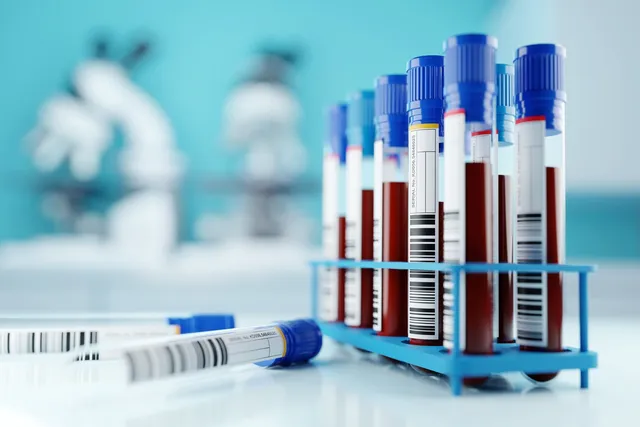
The fats in your blood say a lot about your heart and vessels, long before the first symptoms.
Blood sample · Fasting: Depends on the request
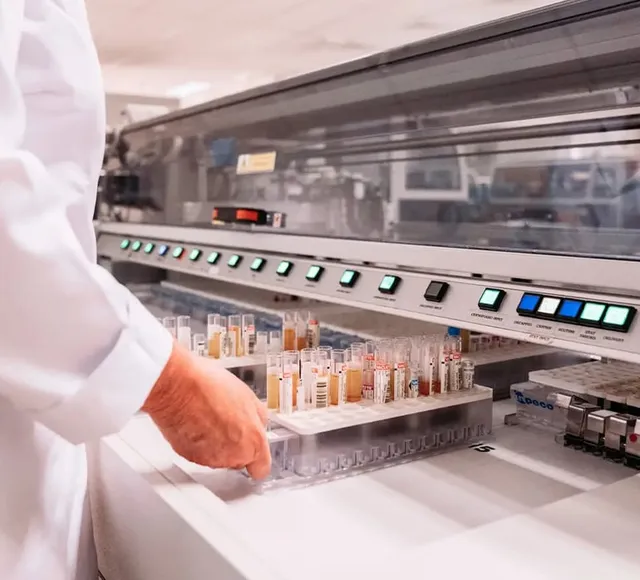
This small gland sets your inner pace. One blood sample shows whether it is working too hard or too little.
Blood sample · Fasting: No
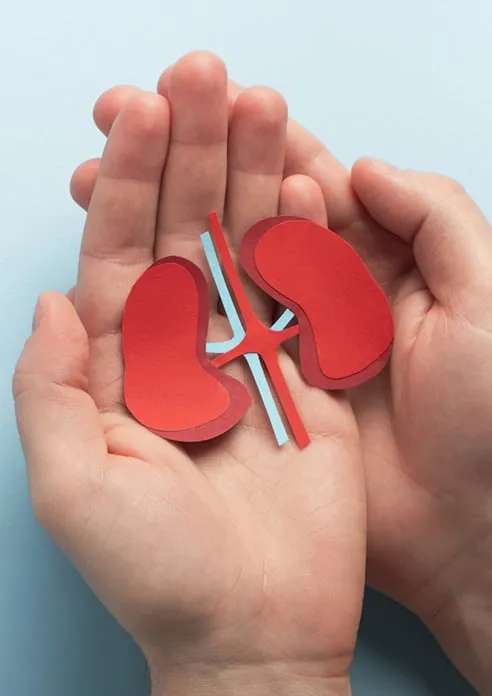
Your kidneys filter your blood day and night. Creatinine and eGFR show how well they manage.
Blood sample · Fasting: No
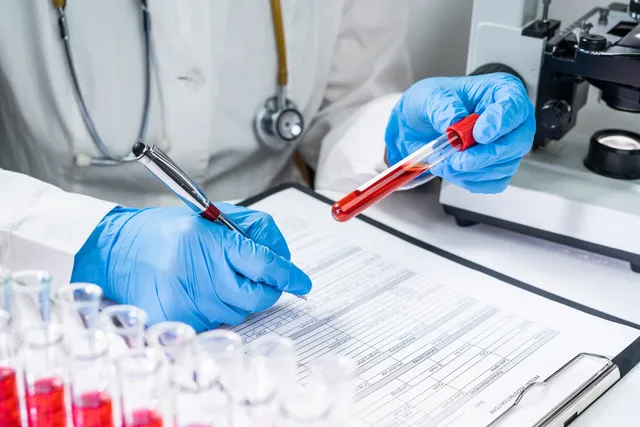
The liver performs hundreds of tasks. A few enzymes in the blood show whether it is struggling, often before you notice.
Blood sample · Fasting: No

The sunshine vitamin strengthens bones and muscles. At our latitude, running low in winter is common.
Blood sample · Fasting: No
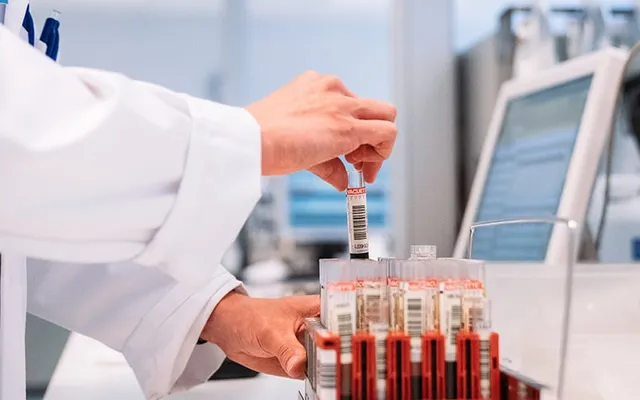
Iron helps your body carry oxygen. Ferritin shows how much you have left in reserve.
Blood sample · Fasting: Depends on the request

A simple blood sample from the mother-to-be screens for trisomies 21, 18 and 13, with no risk to the baby.
Blood sample · Fasting: No

One small container, plenty of information: urine can show an infection, a kidney problem or too much sugar.
Urine · Fasting: No
This page is for information and does not replace medical advice. Reference values depend on method, age and sex. Only your doctor can interpret your results in your situation.