All tests
Lipid profile (cholesterol)
The fats in your blood say a lot about your heart and vessels, long before the first symptoms.
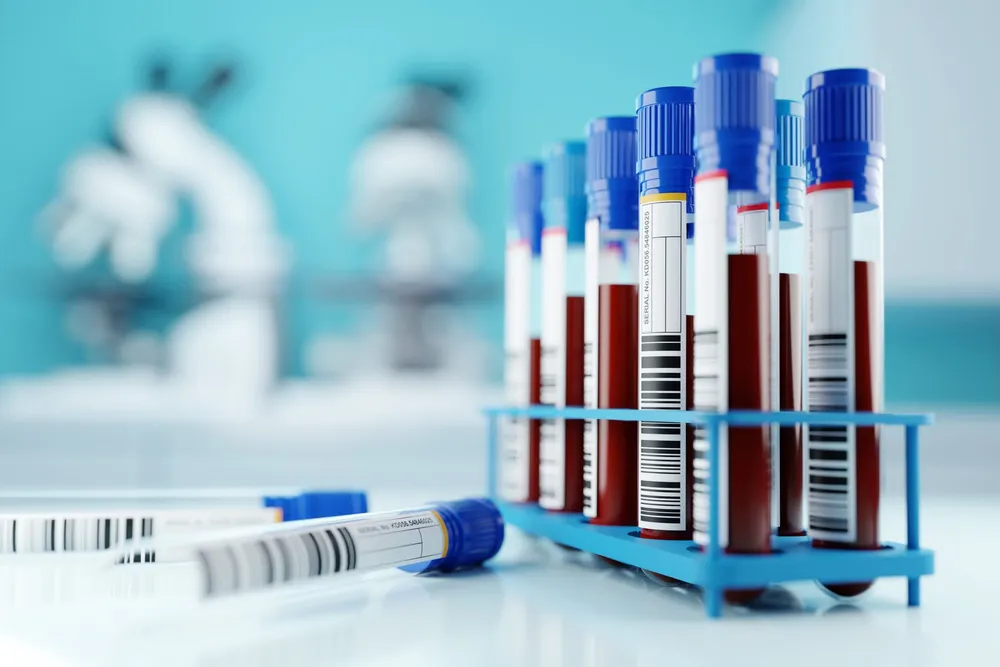
- Sample
- Blood sample
- Fasting
- Depends on the request
- Result
- 1 working day
Why this test?
You cannot feel high cholesterol. The lipid profile helps estimate your cardiovascular risk, together with age, smoking, blood pressure and family history. It is also used to follow a treatment or a change in diet.
How is the sample taken?
An ordinary blood sample is enough. If your triglycerides are high, your doctor may ask for a fasting check.
Understanding the result
There is no single ideal LDL value. The target depends on your overall risk: the higher the risk, the lower your LDL should be. Someone who has had a heart attack therefore aims much lower than a young, healthy person.
Regular exercise, not smoking and eating plenty of vegetables, nuts and plant oils make a real difference.
What we measure
- LDL cholesterol
- Settles in the artery wall when there is too much of it.
- HDL cholesterol
- Carries cholesterol back to the liver.
- Triglycerides
- Fats linked to meals, alcohol and sugar.
- Lipoprotein(a)
- Inherited risk factor, to be measured once in a lifetime.